
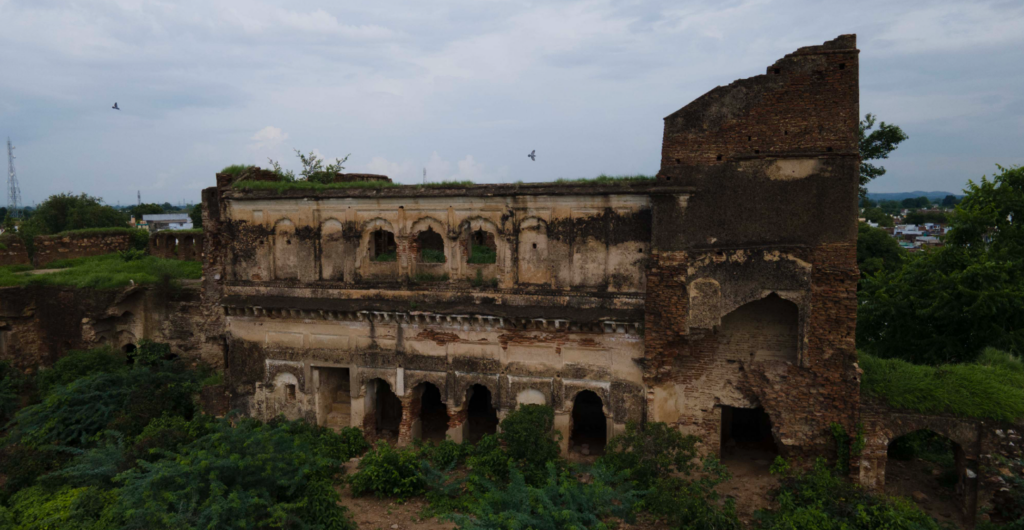
"The Konark Sun Temple is not just a ruin; it is a silent witness to a time when Indian science and art were perfectly synchronized, capturing the eternal rhythm of the sun in solid stone."
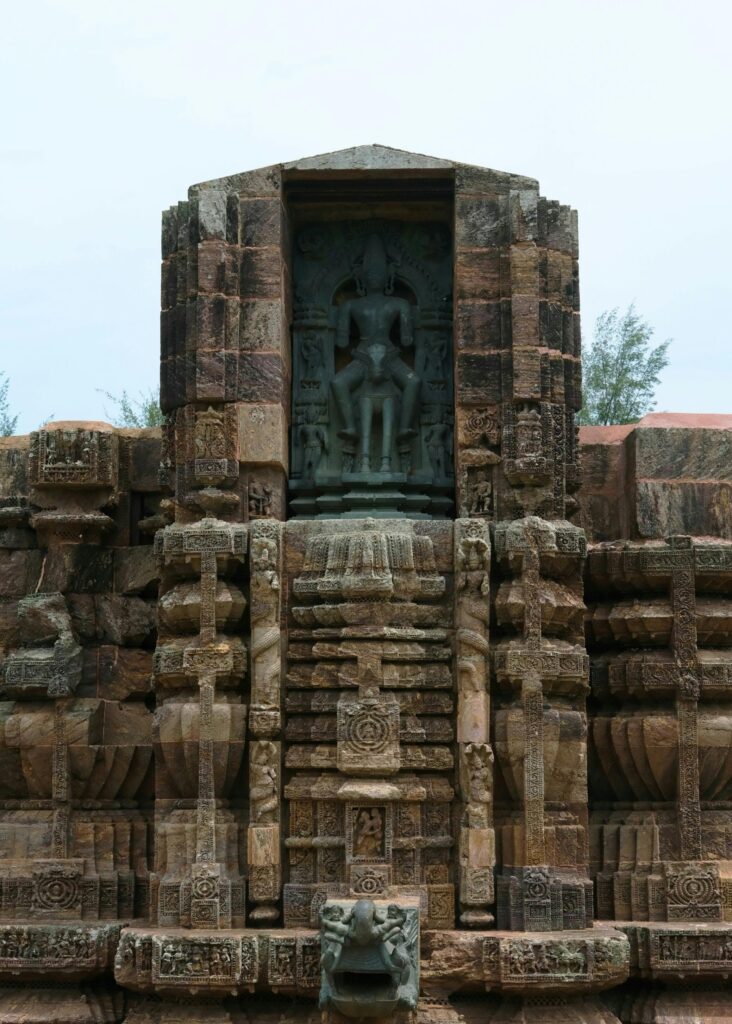
The Wheels (Sundials)
Each wheel is nearly 10 feet in diameter. Beyond their beauty, they are scientific marvels; at least four of them act as accurate sundials. By shadow cast by the wheel’s spoke, one can calculate the time.
Symbolism
The 24 wheels represent the 24 hours of a day (or the 24 fortnights of the year), while the eight major spokes on each wheel denote the prahars (three-hour periods) of the day.
Architectural Grandeur
A high-pillared hall where Devadasis performed ritual dances. Every inch of these pillars is covered with carvings of musicians and dancers in various mudras.
Most travelers head to Bundelkhand for the legendary Jhansi Fort, but if you drive just two hours further south, you enter a world that feels like an Indian version of a forgotten kingdom. This is Deogarh—a place where 1,500-year-old temples sit on the edge of dramatic cliffs overlooking the Betwa River.
If you’re looking for a trip that combines “Warrior Queen” history with “Ancient Ruins” mystery, this Jhansi-Deogarh circuit is your perfect weekend escape.
Jhansi: The Gateway of Valour
Your journey begins in the city that became the symbol of Indian resistance.
The Living History at Jhansi Fort: Built on Bangra Hill, this isn’t just a pile of stones; it’s a storyteller. Stand at the spot where Rani Lakshmi Bai famously leapt from the walls with her son on her back. The views of the city from the top are spectacular, especially at sunset.
The Sound & Light Show: Don’t skip the evening show at the fort. It’s one of the best in India, narrated in a booming voice that brings the 1857 revolt to life.
Cenotaph of Raja Gangadhar Rao: A quiet, beautifully carved memorial built by the Rani for her husband. It’s tucked away near Lakshmi Tal and offers a moment of relative peace compared to the bustling city center.
Deogarh: The “God’s Fortress”
About 125 km from Jhansi lies Deogarh. While the world flocks to Khajuraho, Deogarh remains a quiet sanctuary for those who love art and solitude.
Dashavatara Temple (The Gupta Masterpiece): This is one of the oldest stone temples in North India. Dating back to the 6th century (the Gupta “Golden Age”), it features an incredible carving of Lord Vishnu reclining on a serpent (Anantshayi Vishnu). The detail in the stone is so fine it looks like it was carved yesterday, not 1,500 years ago.
The Cliffside Jain Temples: Inside the old fort on the hill, you’ll find a massive complex of 31 Jain temples. Walking through them feels like navigating a labyrinth of sculptures—there are over 2,000 stone idols here.
Nahar Ghati & The River Views: Take the stone steps down toward the Betwa River. The “Nahar Ghati” (River Valley) offers a breathtaking view of the river cutting through red sandstone cliffs. It’s the perfect spot for photography.
Off-Beat Stops Near Deogarh
f you have an extra day, these two spots are worth the detour:
Dudhai’s Giant Sculpture: About 40 km from Deogarh, there is a massive, 50-foot-tall rock-cut image of Lord Narasimha (the lion-man avatar) carved directly into a hill in the forest. It’s raw, powerful, and rarely visited by tourists.
Muchkund Caves: Natural caves hidden in a valley where legend says a prehistoric saint meditated. It’s a great spot for those who like a bit of light hiking.
Traveler’s Toolkit
Best Way to Travel: The most comfortable way is to reach Jhansi Junction by train (it’s a major hub) and then hire a private taxi for the day trip to Deogarh.
Food Stop: While in Jhansi, try the local Bundelkhandi cuisine—look for “Thuli” (a broken wheat dish) or local varieties of Kadhi.
Pro Tip: Deogarh is located within a forest area. Try to finish your sightseeing before 5:00 PM so you can head back to Lalitpur or Jhansi before it gets too dark, as the forest roads are best traveled during daylight.
Best Time to Visit: November to February. The red sandstone of the temples looks stunning under the winter sun, and the walk up the Deogarh hill is much easier in the cool breeze.